Vecna Robot Race Autonomous Robot (2016)

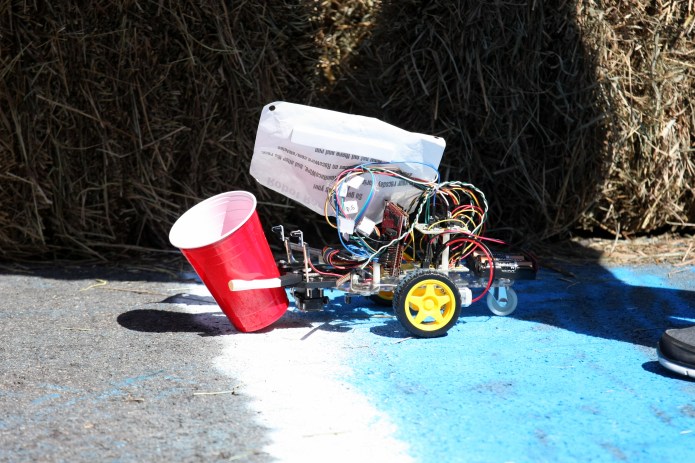
First Place winner for it’s category.

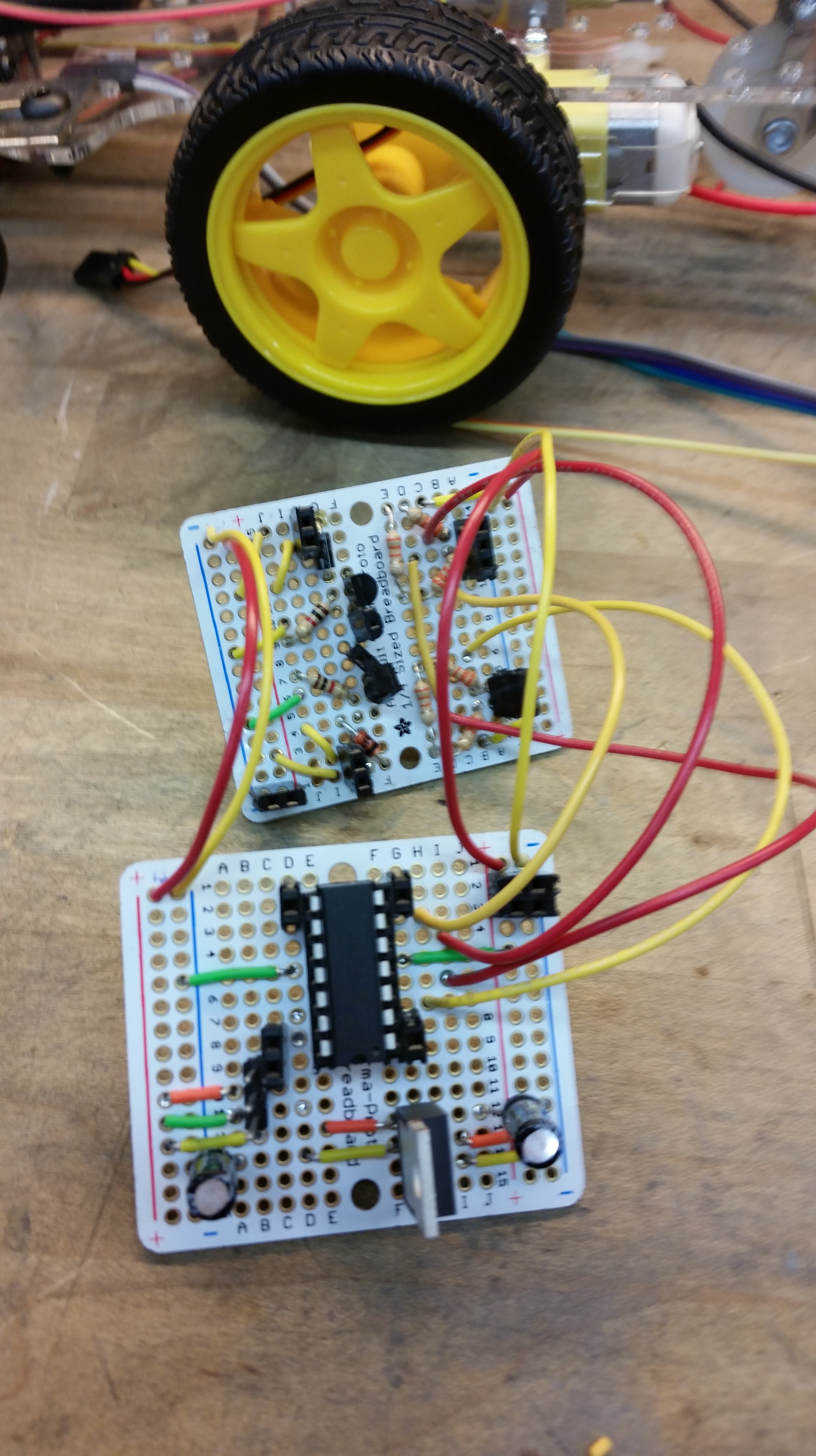
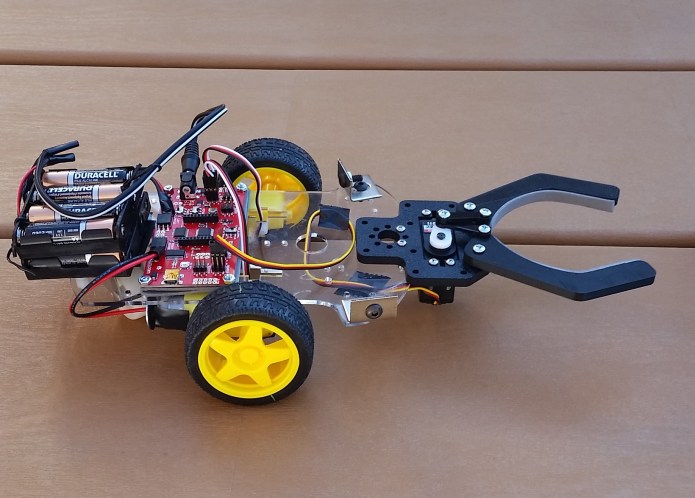
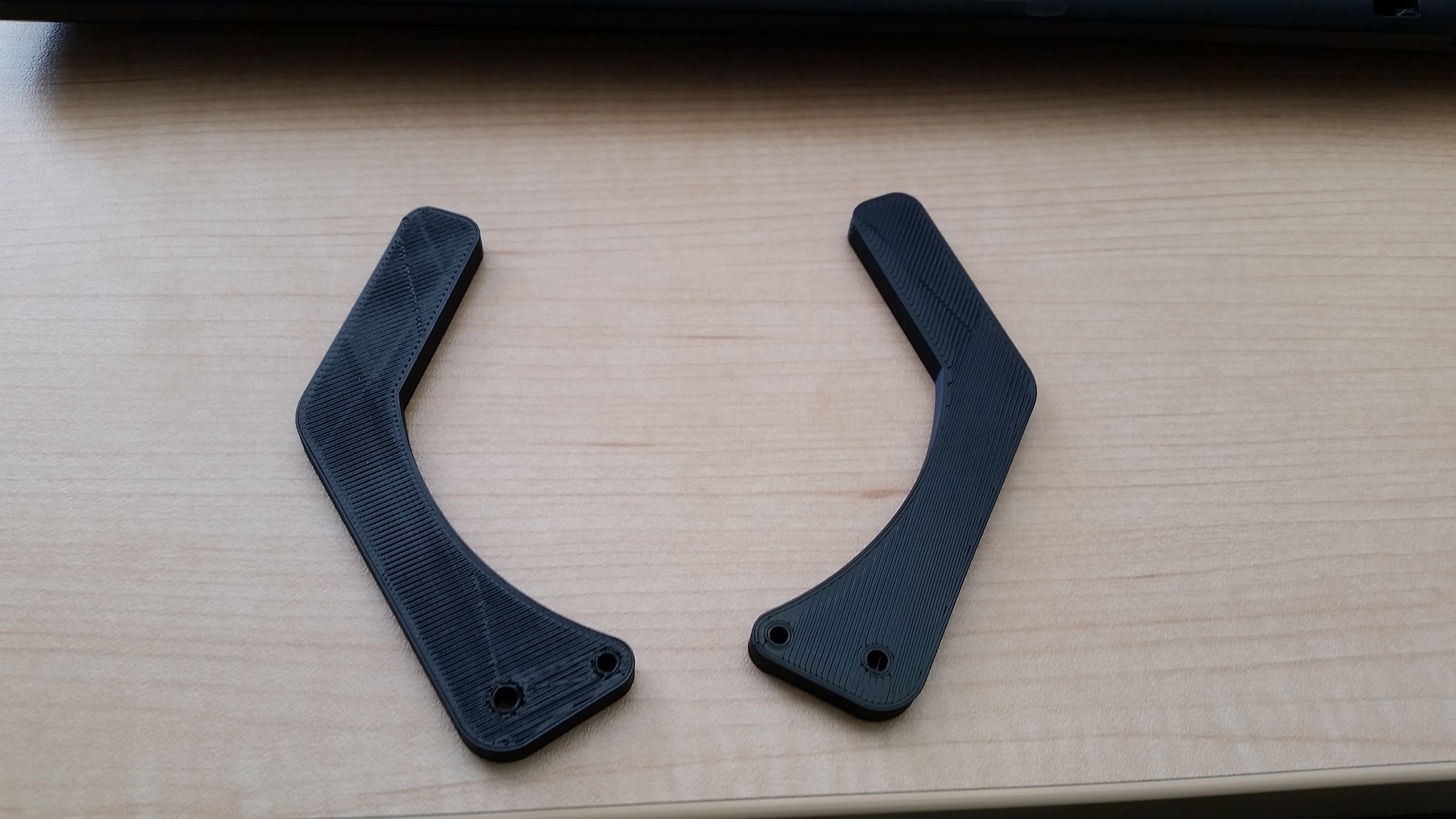
This robot is a modified version of it’s 2015 counterpart.  Additions to the design include a 3D printed gripper designed to hold a Solo Cup, a dedicated motor controller board, and magnetic encoders attached to the wheel motors.
 

Vecna Robot Race Autonomous Robot (2015)

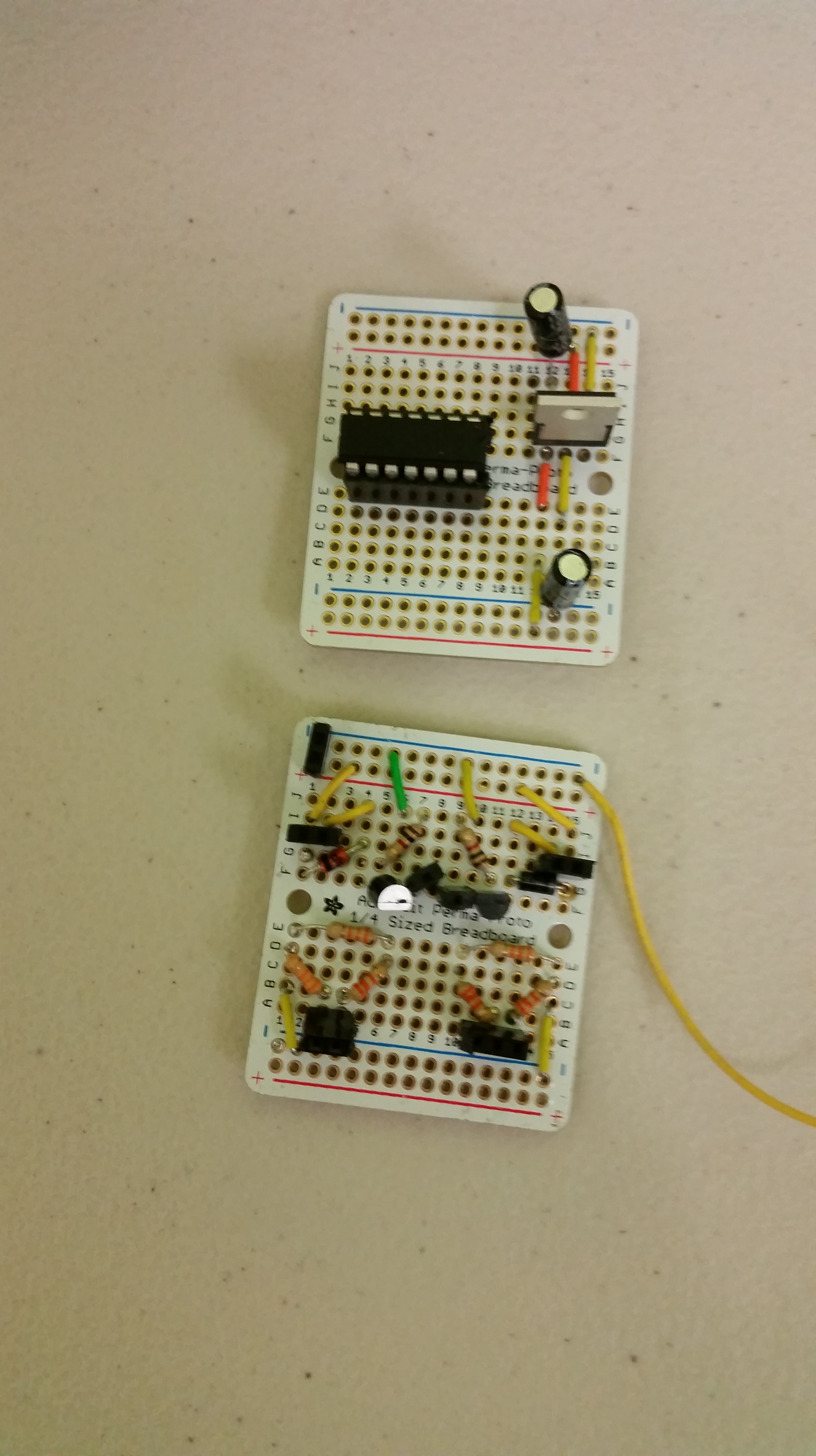
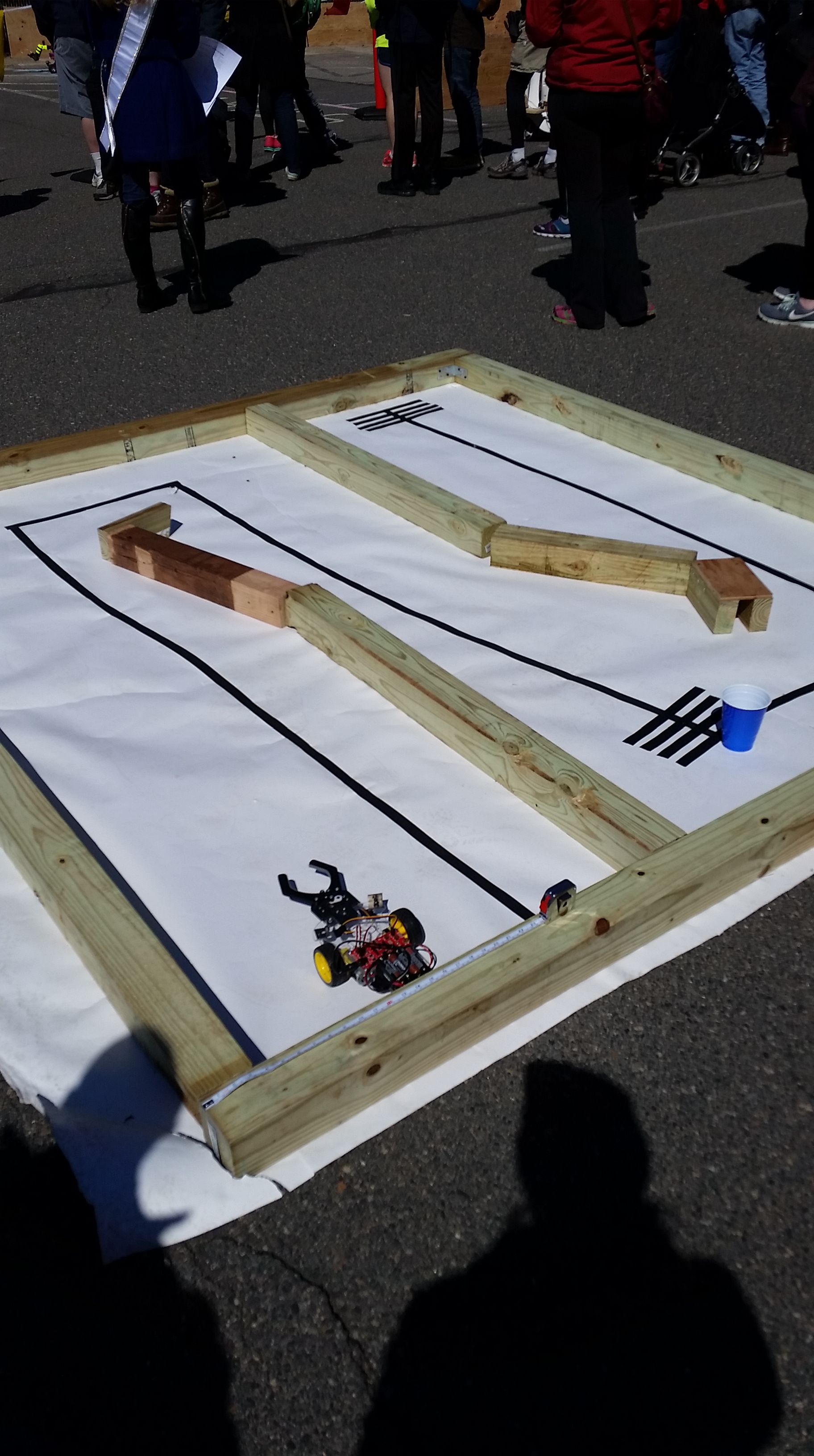
An autonomous robot with a gripper made for the 2015 Vecna Robot Race.  This robot used the controller circuits created for the Bouncing Robot with several new additions and modifications. The robot was actuated using two geared DC motors for the wheels and a servo for the gripper.  Two infrared proximity sensors and two flex sensors were used to control the robot’s position, another IR sensor was used to activate the gripper if the cup was within it’s range.


20150410_183043 20150409_222949

Sensor-Activated Bouncing Robot (2015)

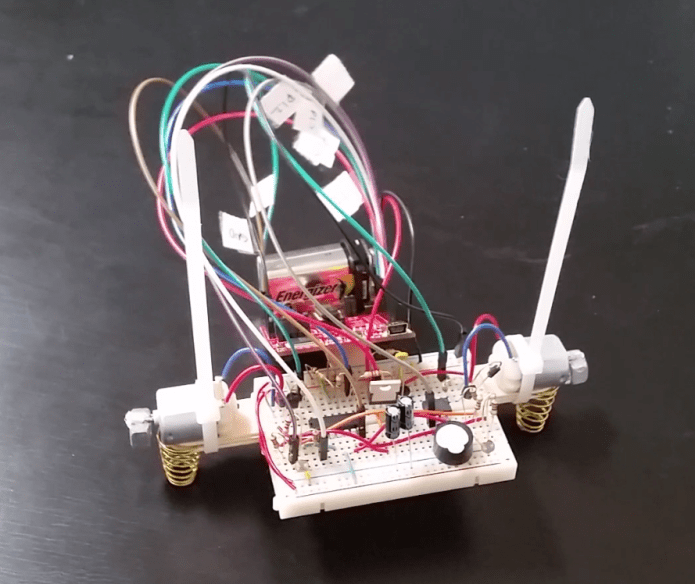
Created during the BerkleyX Electronic Interfaces MOOC, the robot bounces using two weighted DC motors connected to springs.  The purpose of this robot was to develop the different electronic circuits to control it and actuate it.  Controller circuits include a voltage regulator, a microphone amplifier, a speaker amplifier, two photocell comparators, and two motor drivers. The signal control for the circuits was done using a TI MSP430 microcontroller.


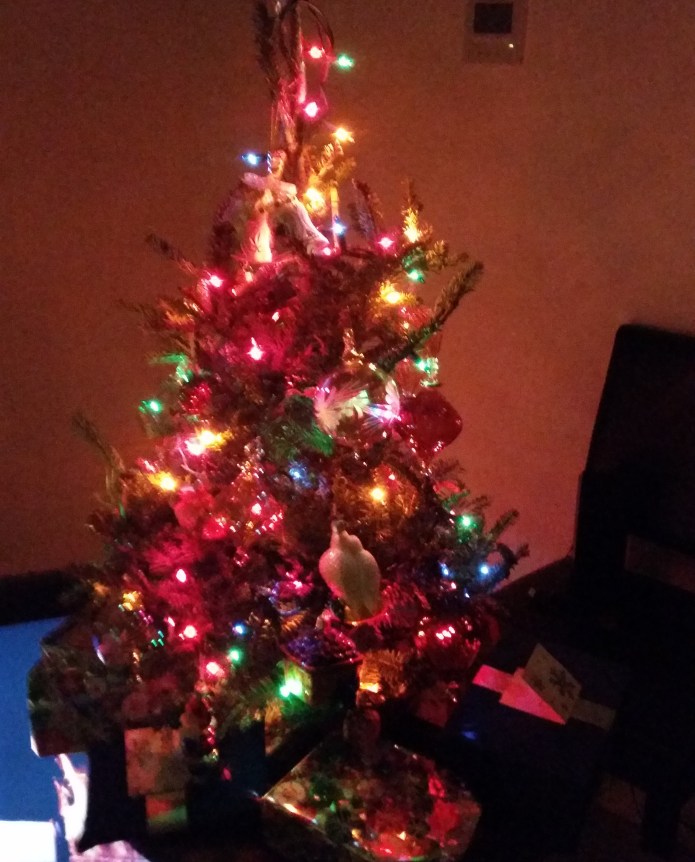
Automation of Christmas Lights (2014)

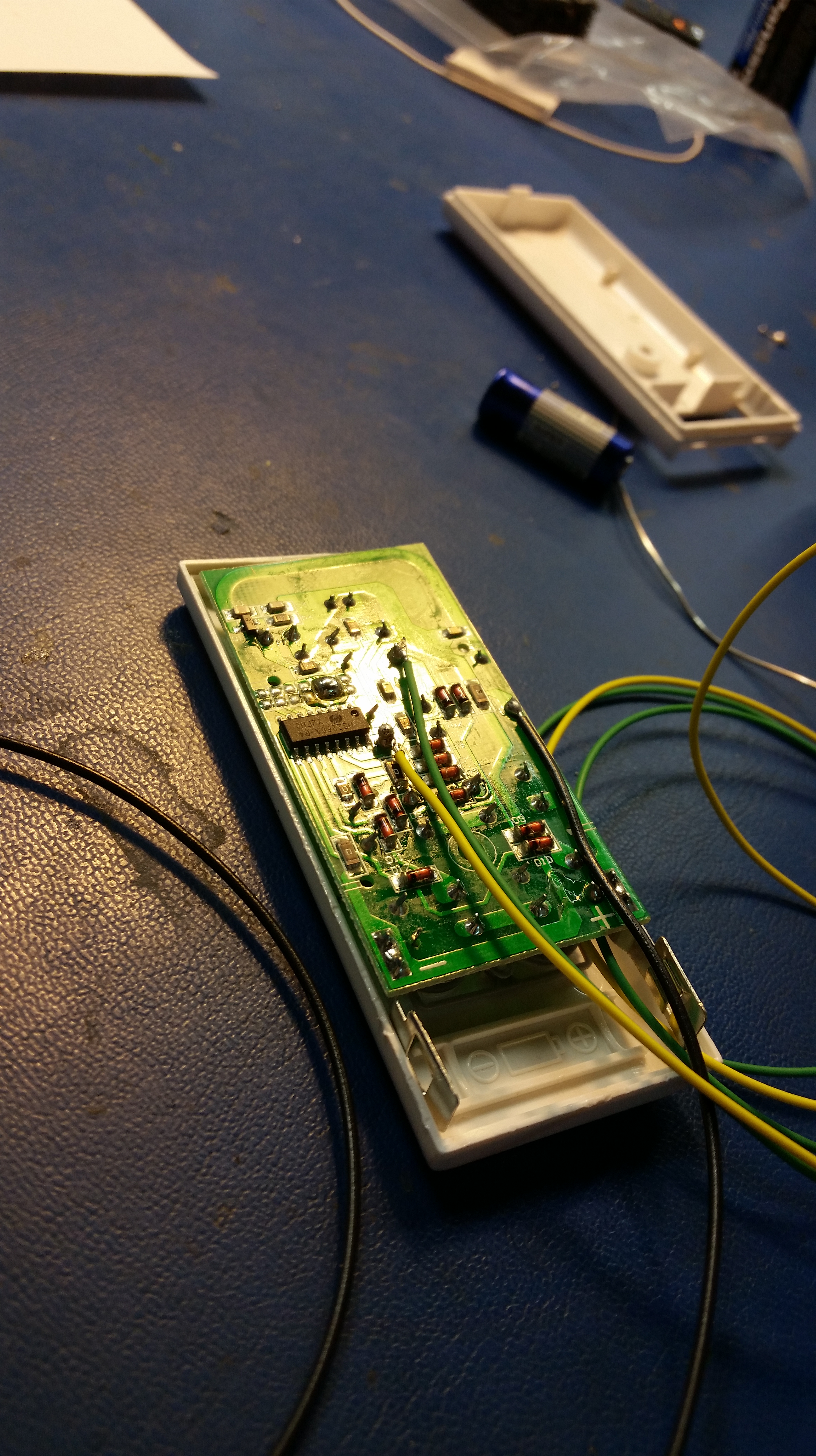
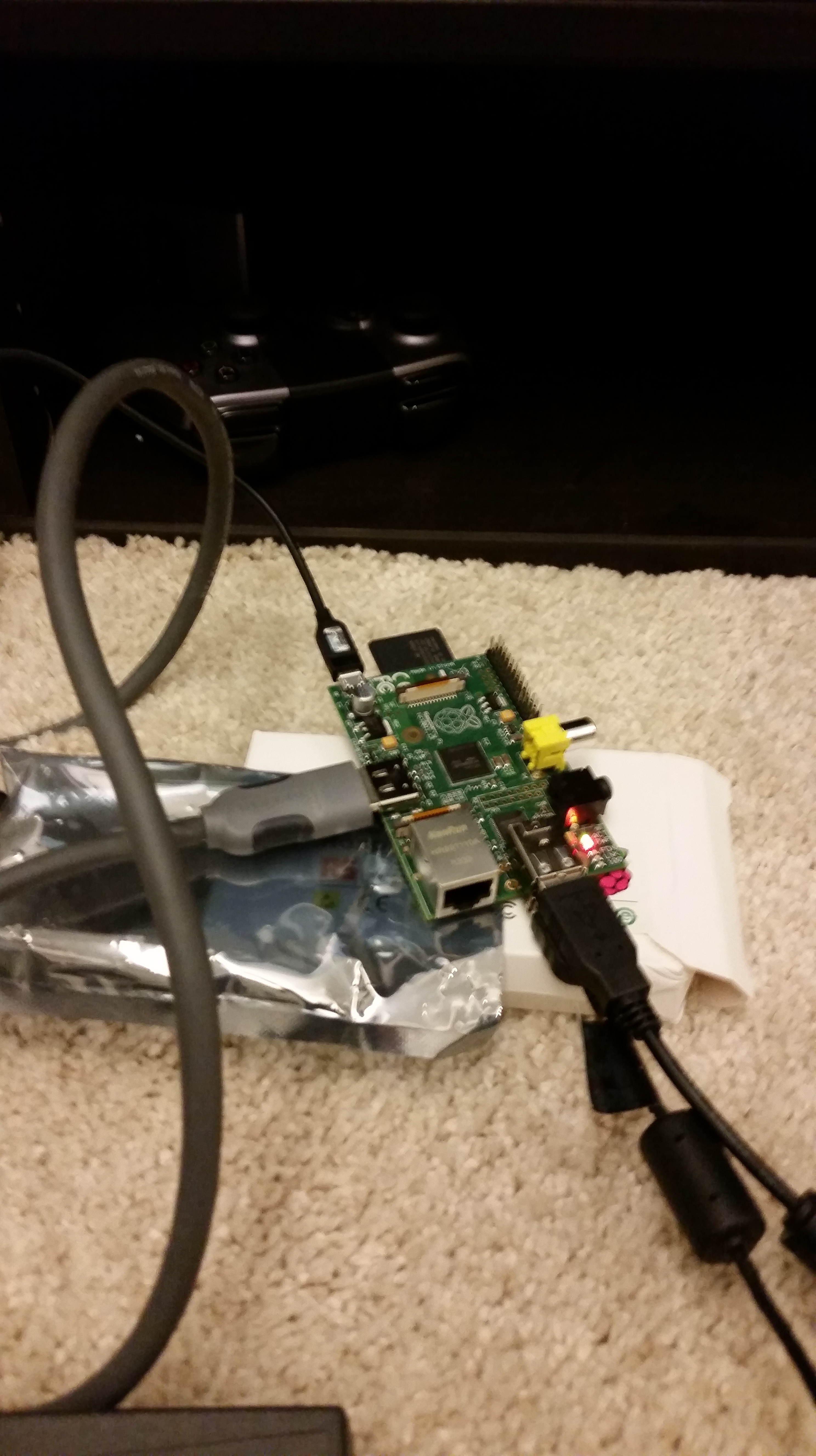
This was a fun personal project to automate my chrismas lights using a set of Etekcity RC outlets and a Raspberry Pi. In order to control the outlets I hacked into the remote control buttons and connected them to the Raspberry Pi using relays. I used the Pi’s GPIO capabilities and programmed a timer and a couple of blinker scripts in Python.
The next step for this project is to expand the use of the outlets to my indoor lamps and set up a web server to control them from an app.
20141217_201302

Remote control – hacked

20141218_205450

Raspberry Pi